Who we are
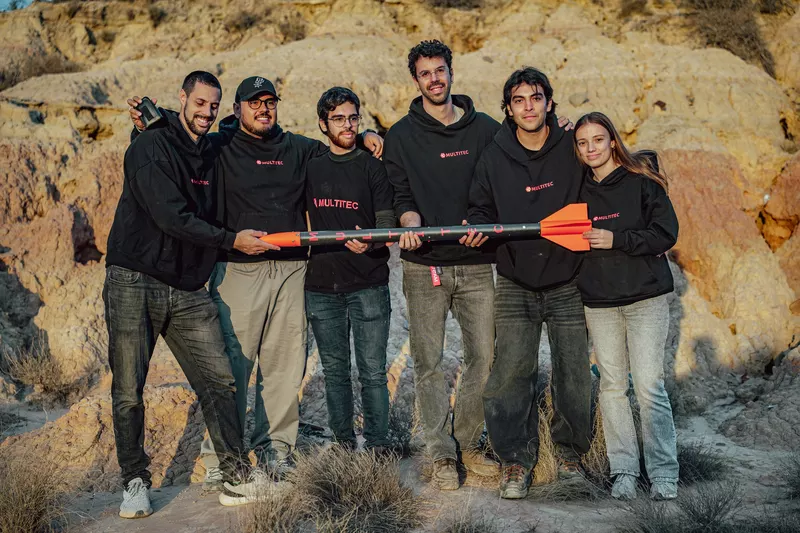
The team
We are organised in seven areas. Every one has room for new people, no experience needed.
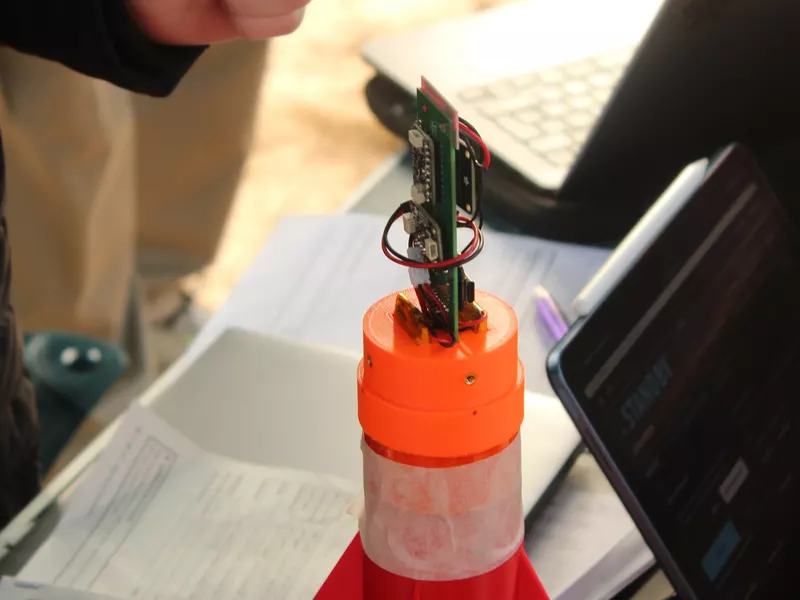
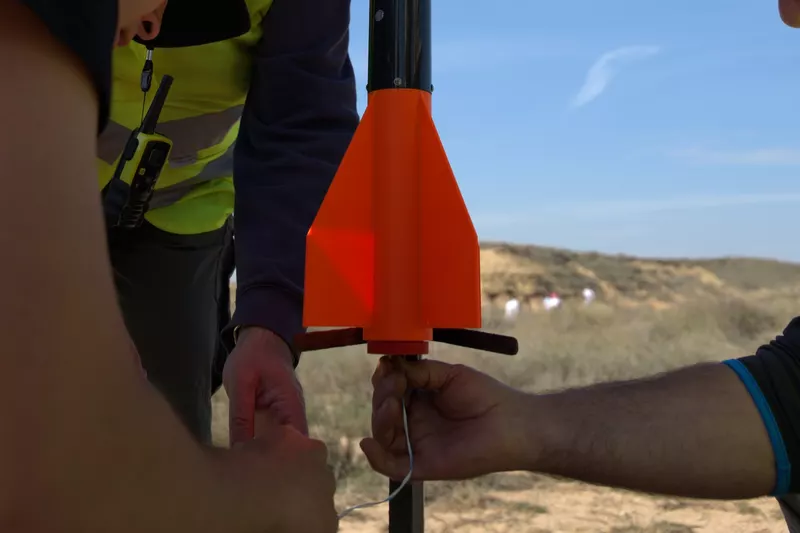
The avionics, ready to go into the airframe 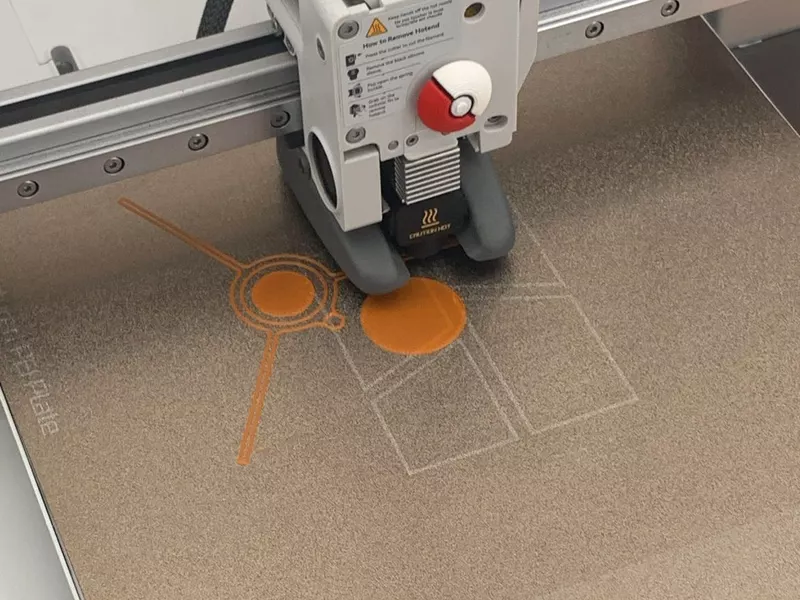
Printing parts for the first rocket 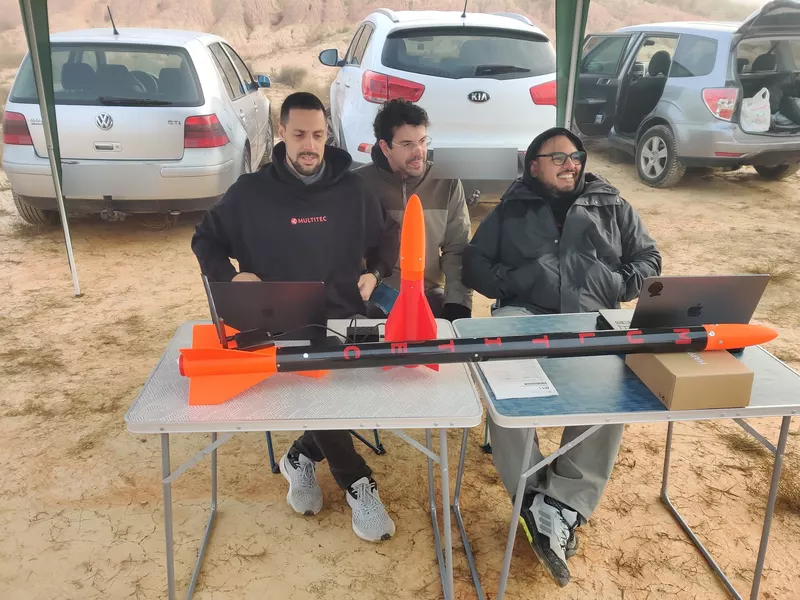
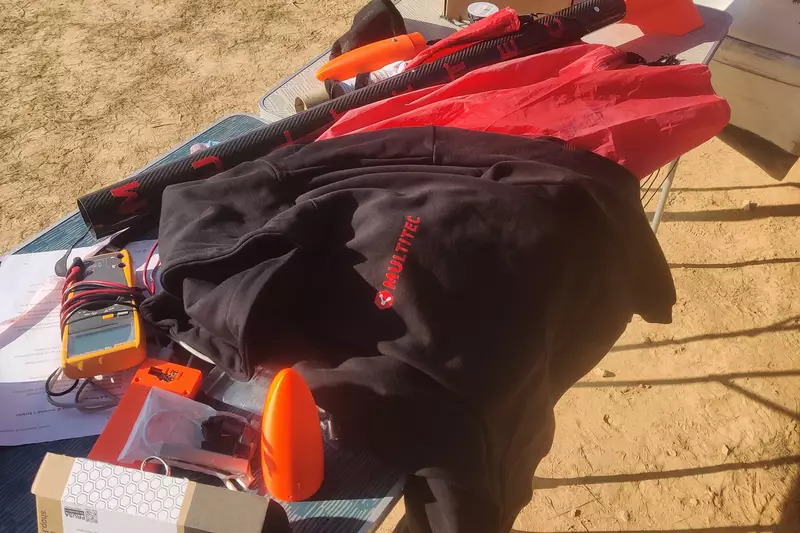
Preparing the avionics at the team table 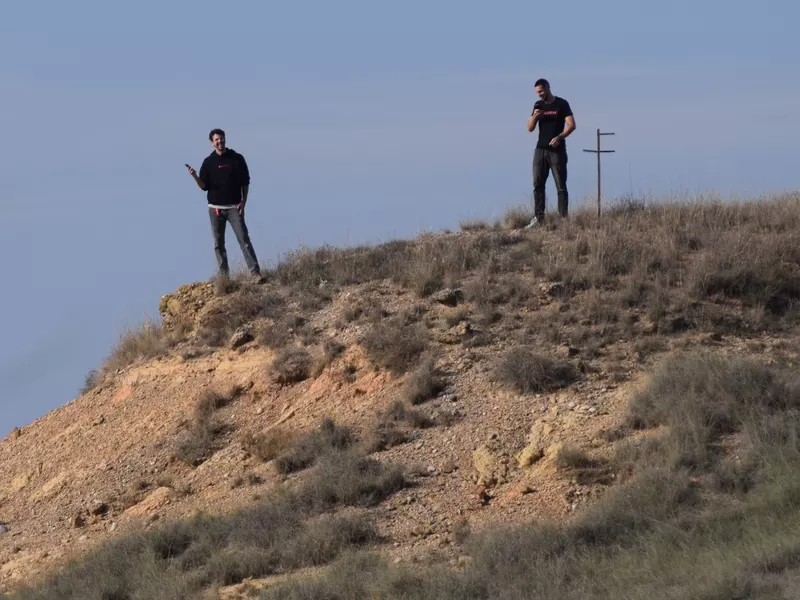
Following the descent from the ridge
How we are organised
Avionics and electronics
Flight boards, sensors, firmware and radio. From the KiCad schematic to live telemetry.
Tools: KiCad, C++, ESP32/STM32, LoRa
Propulsion
Designs and tests rocket motors: the propellant, the casing, the nozzle and the test stand.
Tools: Chemistry, testing, safety
Structures and simulation
Fibreglass airframe, fins and nose cone; load and aerodynamic analysis.
Tools: SolidWorks, ANSYS, OpenRocket, wind tunnel
Recovery
Drogue and main parachutes, CO2 or black powder separation and deployment tests.
Tools: Sewing, descent calculations
Sponsors and purchasing
Talking to companies, budgets and buying materials.
Tools: Pitch decks, negotiation
Marketing and social media
Telling what we do: photos, launch videos and social media.
Tools: Photography, video, design
Web and software
This site, the telemetry panels, the 3D replay and the Ícaro simulator.
Tools: HTML/CSS, Python, React
Our story
From the first demonstration rocket to Lucentum, which flew to 459 m on 7 November 2026.
The first rocket
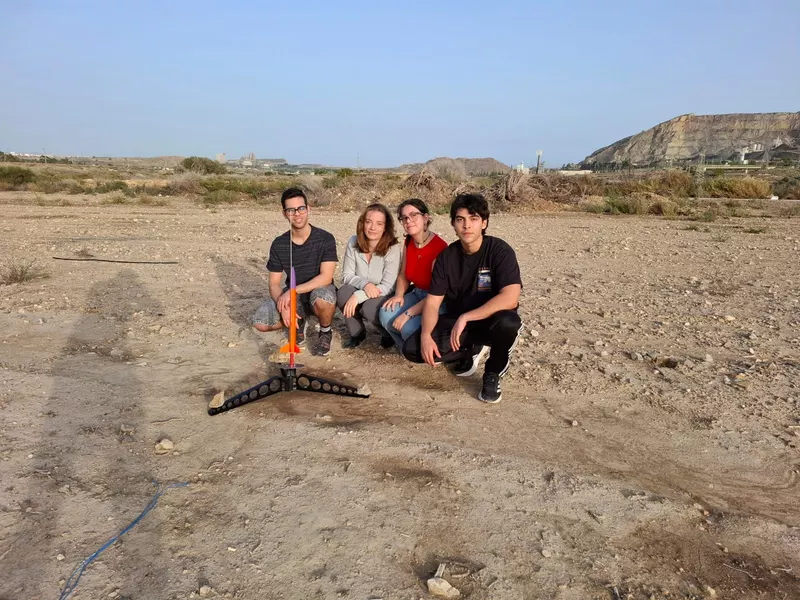
A demonstration rocket, the team's first, before Lucentum.
First WiFi telemetry
Sensors on a breadboard and the first panel with live data.
The MT1 board
Our flight computer, designed with an automated KiCad 9 pipeline and fabricated; iterated up to revision v0.1.4.
Flight firmware and telemetry server
Every flight saved to a microSD card, cloud sync and a panel for the phone.
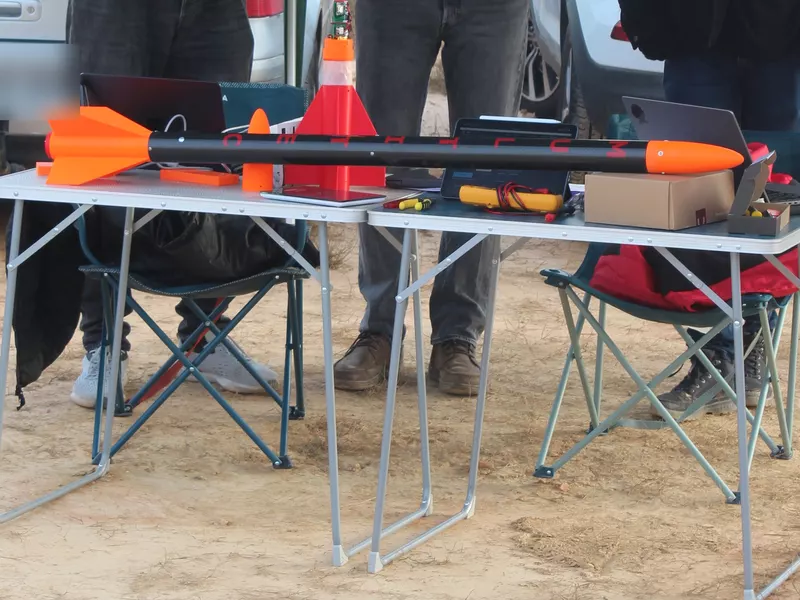
Lucentum assembled on the team table, hours before the flight Building Lucentum
The rocket and its L1 technical report (October 2026), a competition requirement: design, simulations and risk analysis.
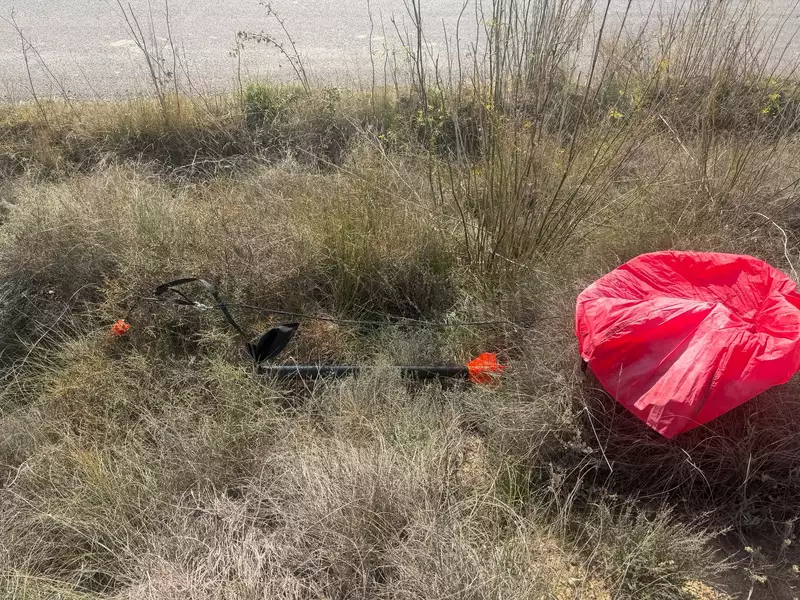
Where it landed, intact Lucentum flies to 459 m
Lucentum flew to 459 m at a university L1 competition and came back intact. The 3D replay and the recovery map came after.